
IBT has published the books of Ruth and Jonah in the Kaitag language of Dagestan. These editions continue a series of translations produced via the oral translation method in Tsudakhar and Agul.
Kaitag belongs to the Dargin group of the Nakh-Daghestanian language family. It has an estimated 33,000 to 40,000 speakers. The language is primarily used in the Kaitag, Derbent, and Kayakent districts of Dagestan, as well as in other regions of Russia and abroad (notably in Turkey).
Preschool children and the older generation mostly speak Kaitag as their language of daily life and family communication. The middle generation usually knows both Kaitag and Russian, along with some literary Dargi (which is taught in school). While the language is still passed down to children within families, this tradition has weakened in recent years.
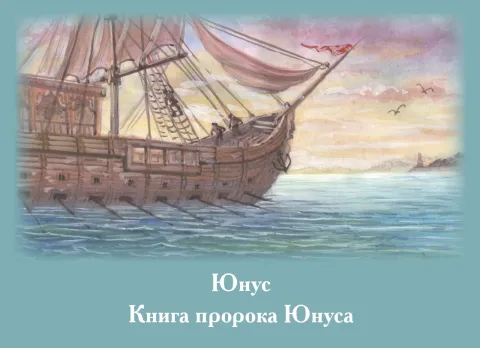
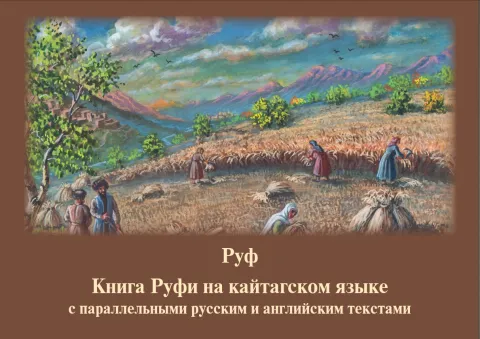
The publication of the book of Ruth and the book of Jonah in Kaitag will open up the world of the Bible to the Kaitag people in their native language, while also helping to support and preserve the language. The oral translation method makes the stories more accessible in everyday speech. Several features of these editions are designed to capture the attention of Kaitag speakers and draw them to these publications. One is the illustrations, which intentionally reflect Caucasian life and culture and are tailored to the region's visual traditions. Another is the inclusion of parallel texts in three languages — Kaitag, Russian, and English. The Russian translation helps clarify difficult passages, while the English version makes the books useful as learning materials.
PDF and audio versions of the translations are available on the IBT website.