
The Institute for Bible Translation (IBT) has published its first printed editions of Scripture translated using Oral Bible Translation (OBT) methodology. These are the books of Ruth and Jonah in the Tsudakhar language of Dagestan.
The Tsudakhars are a large sub-group within the Dargi (Dargwa) people, possessing their own unique dialect. The exact size of the Tsudakhar diaspora worldwide requires clarification; however, according to available estimates, it may number around 30,000 people or more. The historical area of settlement includes about 35 villages in Dagestan where Tsudakhar is the primary language. A significant number of speakers also live in other regions of the Russian Federation, as well as abroad — particularly in Kyrgyzstan and Turkey.
The linguistic differences between Tsudakhar and the literary Dargi language, which is based on the Akusha dialect, are so significant that mutual understanding between their speakers is difficult. Given that the Tsudakhar community is historically oriented towards oral communication, the OBT approach was chosen for translating biblical texts into this language. This methodology aligns better with language use practices than traditional written translation.
Currently, the Tsudakhar community is seriously concerned about the preservation and development of its native language. Initiatives aimed at supporting and documenting it are actively developing. One of the key projects in this area is the development and standardization of an alphabet for the Tsudakhar language, which will lay the foundation for a new written tradition, the production of educational materials, and the expansion of its domains of use. This is why the Tsudakhar translation team wants a printed version of texts that were produced orally. This approach also takes into account the authority of the printed word among the peoples of the Russian Federation, and Dagestan in particular.
The oral translation process is generally analogous to classical written translation: it includes deep analysis of the source text, careful selection of equivalents in the recipient language, and multi-stage checking/editing. The key difference is that the entire process — from the initial work of the translators to the final checking and approval of the text — is conducted orally. This allows for the creation of natural, lively audio translations that accurately convey the meaning of the Holy Scriptures and align with the perception of an oral culture. The Tsudakhar OBT project is one of several similar projects currently being implemented in Dagestan that are aimed at preserving and further developing the linguistic heritage of the region's peoples.
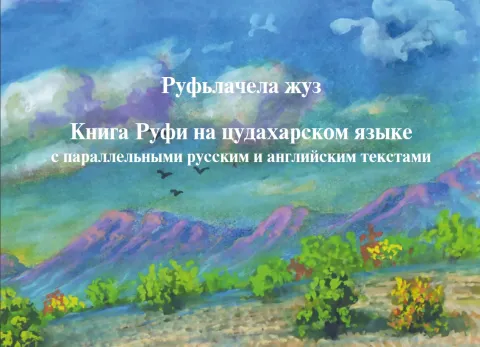
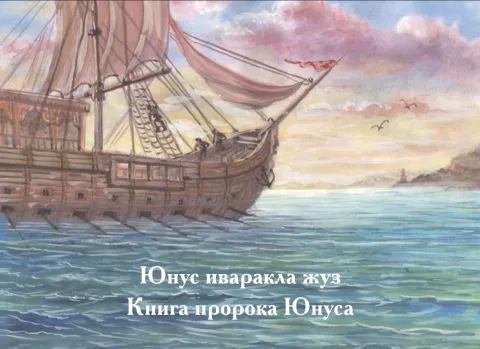
Specially commissioned illustrations by a Dagestanian artist bring the stories to life within an authentic Caucasian setting, distinguishing these new editions. The artistic design is adapted to the cultural context and visual traditions of the region, making the texts more accessible and relatable for the local audience. Furthermore, the new editions include parallel texts in Russian and English. The Russian translation helps readers navigate difficult passages, and an English version turns the books into practical study aids for language learners.
The new publications are trial editions, first among all of IBT’s Dagestanian OBT projects. Their release will allow IBT to assess the reception of the printed format in communities with a strong oral tradition, gather feedback, and refine our approach to publishing orally translated texts.
The PDF versions of these books are available on the IBT website in the electronic Bible publications section.